WHERE INNOVATION BECOMES THE INDUSTRY BENCHMARK
Celebrating innovation, engineering precision, and design impact in the global fitness equipment industry.
WHO IS IT FOR?
GEDA is designed for organizations and professionals operating at the intersection of engineering, industrial design, and fitness innovation. This membership and awards program supports those advancing the standards of performance, functionality, safety, and aesthetics in gym equipment.
Brands seeking further recognition for their advanced approaches.
Health, Fitness & Wellness operators looking for objective insight in world-class products.
End-users seeking objective industry advice.
The GEDAs exist to recognise and reward products that prioritise function, comfort, and performance for the people using them—not just aesthetics or marketing.

AWARD CATEGORIES
HORIZONTAL PRESS
Designs focused on pushing movements in the horizontal plane, such as chest presses, linear or converging.
HORIZONTAL PULL
Innovations around isolating the quadriceps via knee extension.
LOWER BODY PIN-LOADED PRESS
A form of seated row, where the humerus extends past the plane of the body with a resistance pulling forwards.
KNEE EXTENSION
Hamstring-focused designs through knee flexion. Seated, lying or standing lying leg curls.
LOWER BODY PLATE-LOADED PRESS
Creative approaches to shoulder abduction, like lateral raise mechanisms, seated or standing, with grips or humeral input pads.
HIP EXTENSION
Any form of multi-joint hip and knee extension combo where the resistance is provided by a pin-loaded, selectorise stack.
VERTICAL PULL
Pull-downs variations, facing towards or away from the resistance.
KNEE FLEXION
Hip Thrusts, Kickbacks or Hyperextensions, whatever allows the hip extension to be the primary function taking place.
LOWER BODY PLATE-LOADED SQUAT
Any form of multi-joint hip and knee extension combo with plate-loaded resistance and the footplate moves with a fixed backrest. The typical Leg Press variations.
GLENOHUMERAL ABDUCTION
Any form of multi-joint hip and knee extension combo where the backrest or shoulderpads are what moves and the footplate is static. Plate-loaded variations on squat-like movements.
JUDGING CRITERIA
Equipment is evaluated across 3 core design metrics, each driving the extent to which the machines are built to be used by humans to improve musculoskeletal functions:

USABILITY /9
How intuitive, safe, reassuring and practical is the user experience? This includes build quality and feel, ergonomics, footprint, and user interaction.
ADJUSTABILITY /5
How well can the equipment adapt to different users and use cases? Is every relevant adjustment available, accessible, and purposeful?
PROFILE /4
How well does the Resistance Profile™ of the machine match the Strength Profile™ of the human performing the intended movement?
INNOVATION /2
Is the concept new and novel?
Is it achieved using a unique engineering technique?

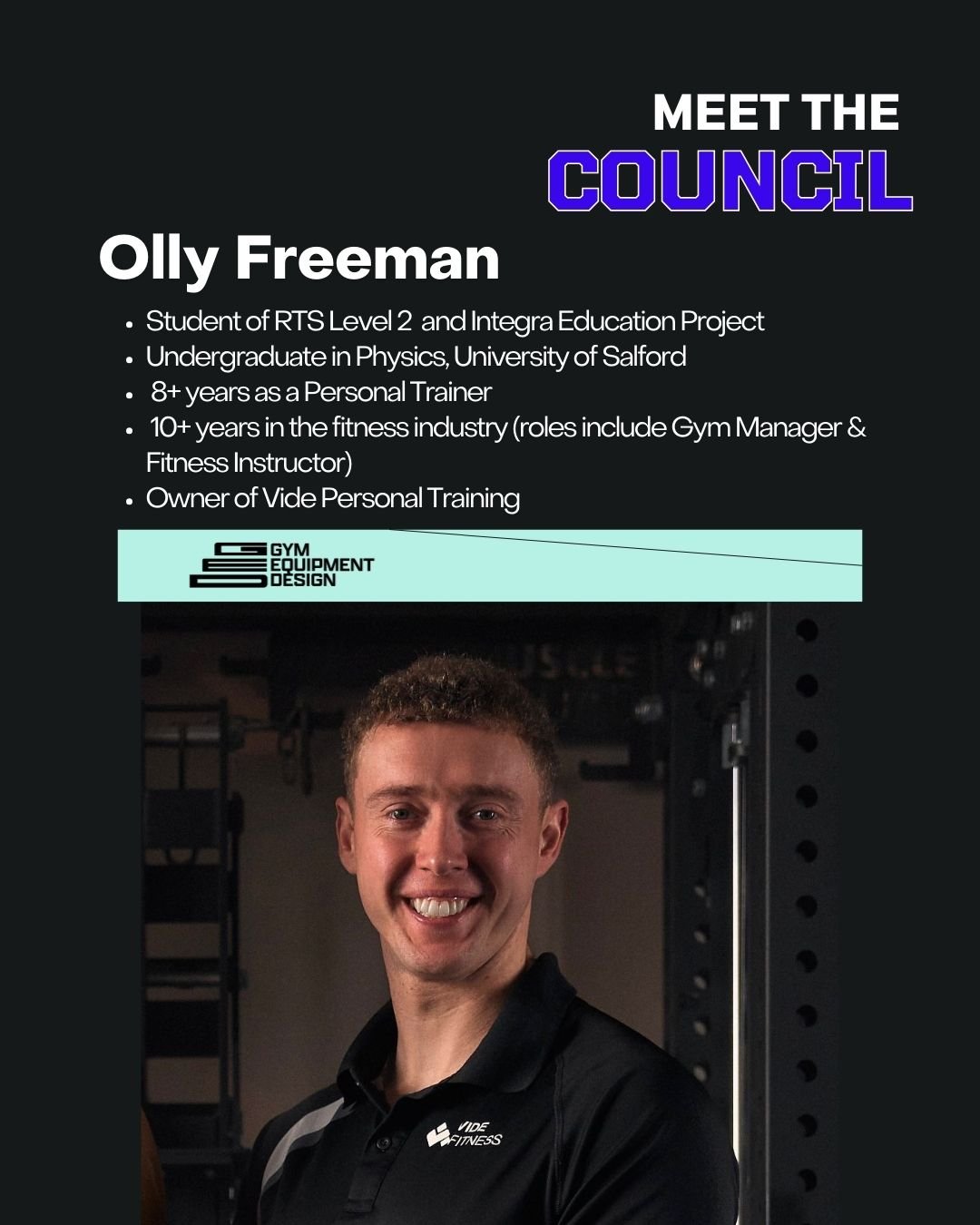
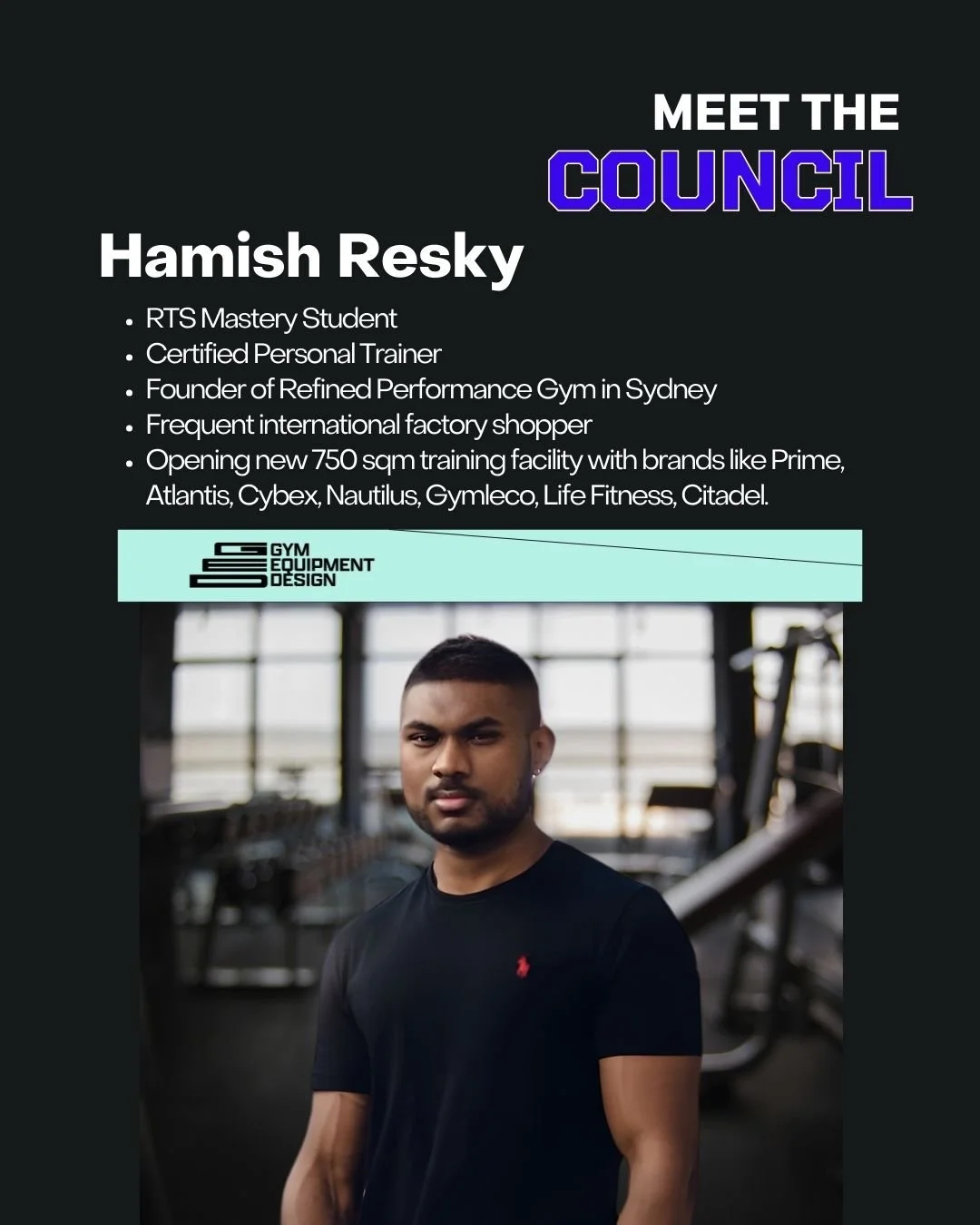
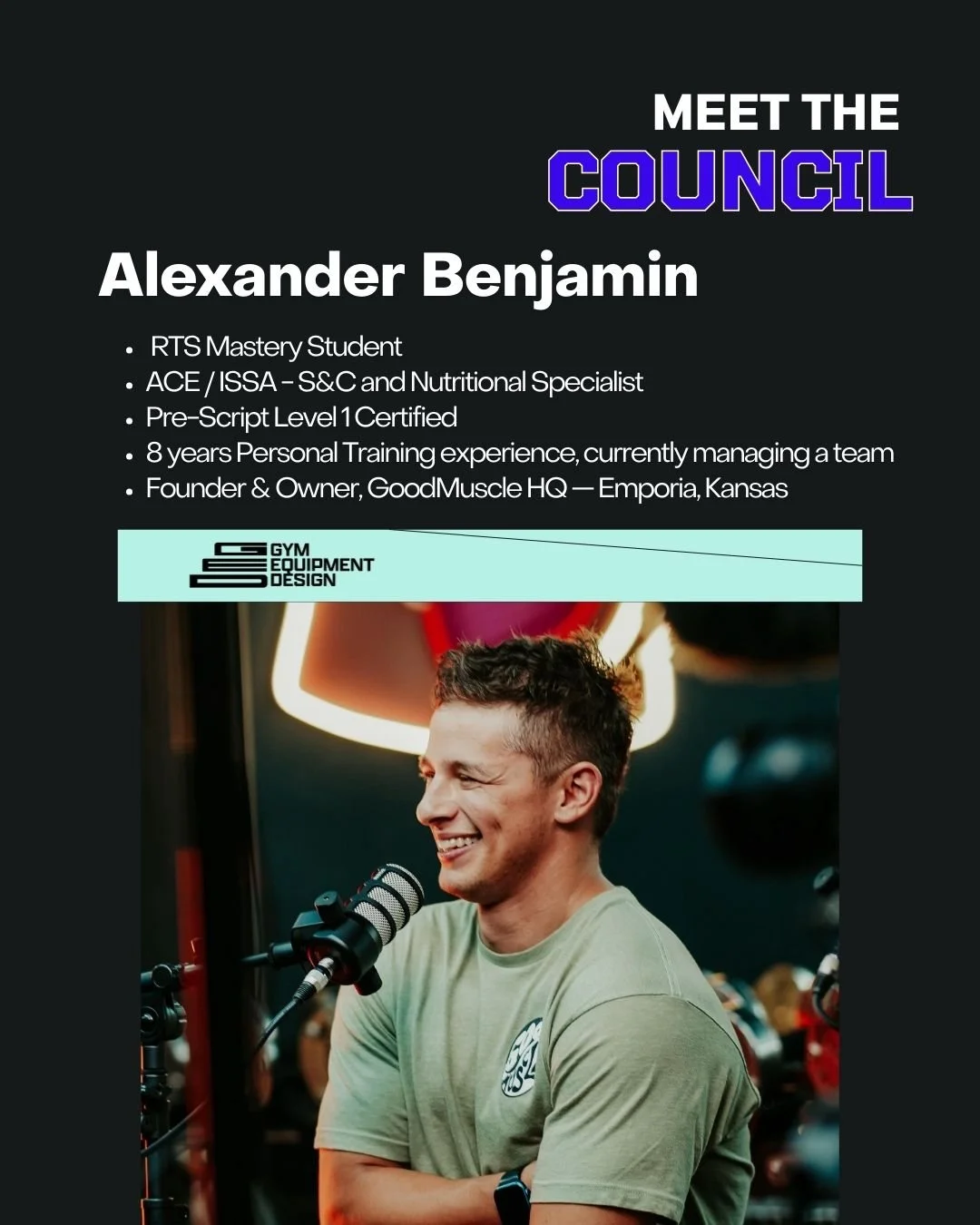
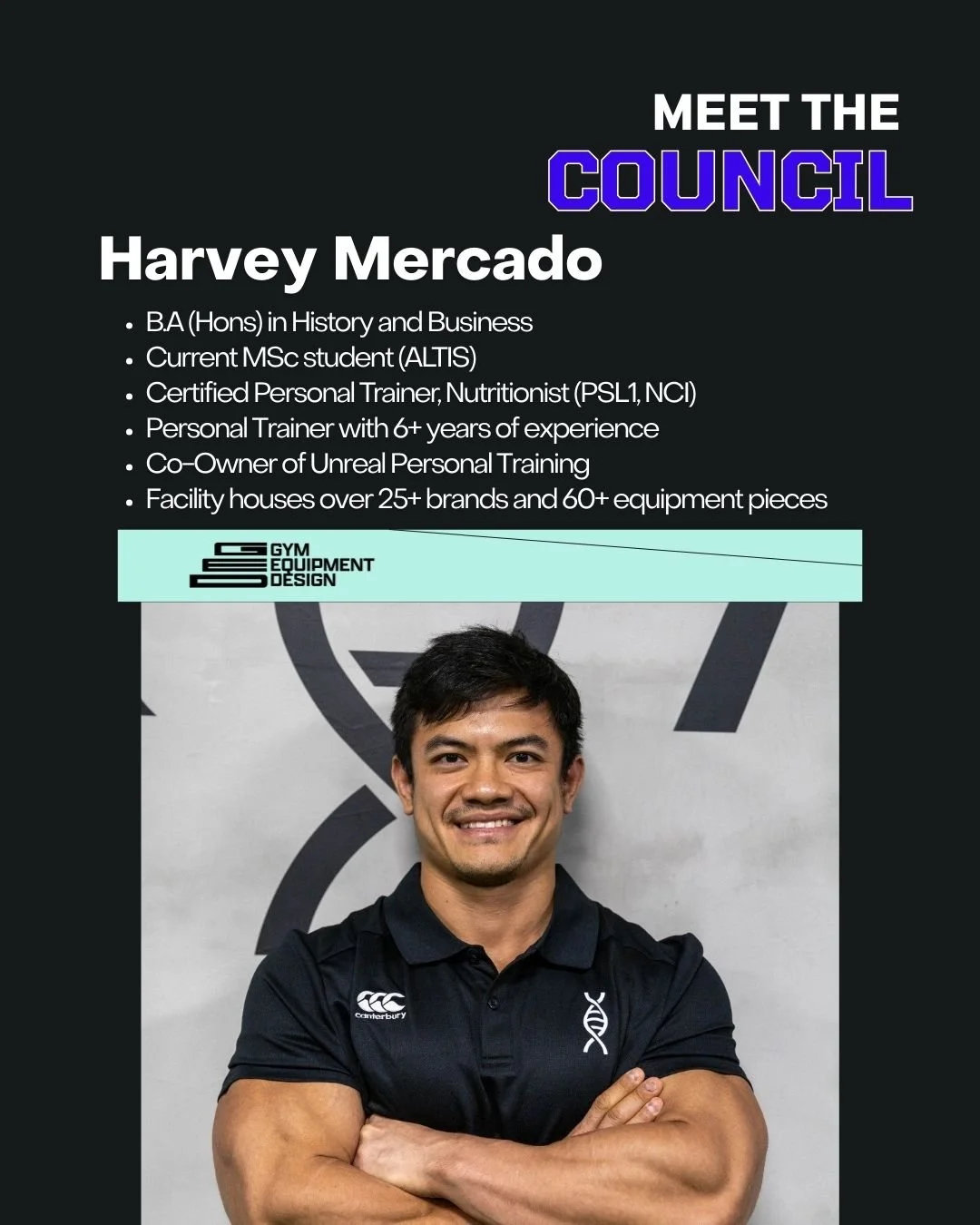
An independent, international panel of 4 biomechanics and exercise mechanics experts.
No affiliations with equipment companies.
Brought on for their expertise, not their bias.
Contractually bound to full impartiality
2026 Chair: Benny Price (non-voting)
(Each Council vote holds equal weight.)
THE COUNCIL